Australia emerges as quantum computing player with role in Microsoft chip
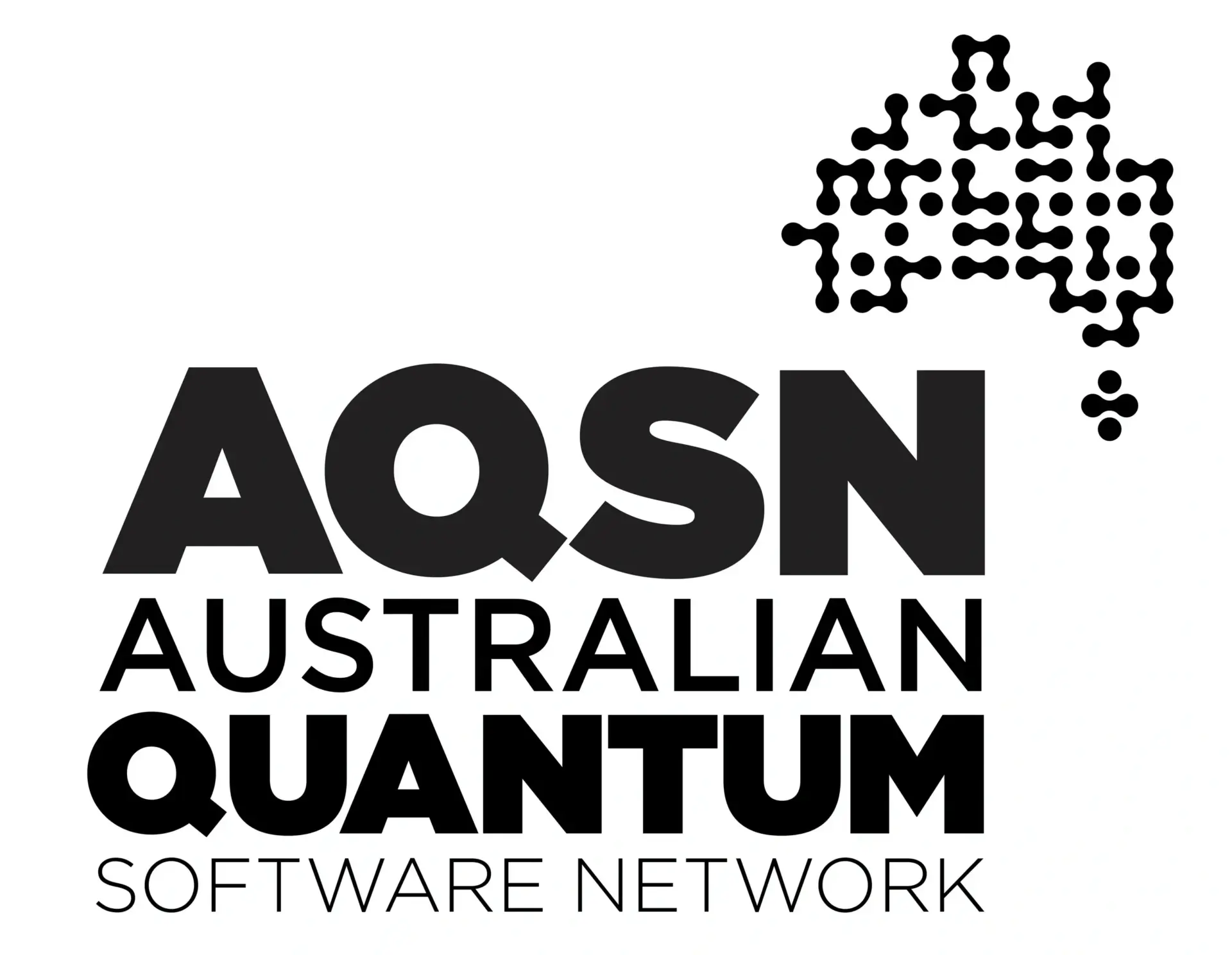
At a technology hearing on Capitol Hill earlier this year, US senator Ted Cruz held up a golden computer chip he said was worth $1bn and would unlock a new era of quantum computing.
“This breakthrough is led by an American company,” he proclaimed, but thousands of miles away in Sydney his tech nationalism did not go unnoticed.
“It left a weird feeling,” said physicist David Reilly, who until last year led the University of Sydney’s quantum computing partnership with Microsoft to develop key elements of the Majorana 1 processor.
Handing a lab prototype of the chip to the Financial Times to inspect, he said he found Cruz’s comments on US innovation writing the story of the 21st century “pretty ironic”.
Just before the speech, Reilly had turned down a lucrative opportunity to move his team to Microsoft’s headquarters in Washington state to continue their quantum work, preferring to remain in Australia, where a nascent quantum industry is beginning to blossom.
“Many teams, including colleagues from Microsoft Sydney, have contributed to the development of intellectual property that has been utilised in the Majorana 1 initiative,” Microsoft acknowledged in a statement to the FT.
Quantum computing exploits the physics of subatomic particles to perform functions beyond the capabilities of existing computers. Australia’s prominent role in its development has been built on top of breakthrough academic work in the 1990s.
The Australian government has looked to build on that legacy by establishing a “national quantum strategy”, and last year led a A$940mn ($610mn) investment in PsiQuantum, a US company co-founded by Australian Jeremy O’Brien, to build a quantum computer in Brisbane — the company’s first full-scale site. PsiQuantum this week raised $1bn from new investors including BlackRock, Temasek and Nvidia’s venture arm which valued the company at $7bn.
The government also established Quantum Australia — a near-A$20mn fund aimed at boosting collaboration and development — while the National Reconstruction Fund, a government incubator, also backed diamond technology company Quantum Brilliance with a A$13mn investment last year.
Sydney now has one of the highest concentrations of researchers in the field, and dozens of companies have emerged in specific areas related to the technology.
The A$150mn Sydney Nanoscience Hub has also been set up on the University of Sydney campus, where Emergence Quantum, Reilly’s new company, is based.
The hub, a sleek modern facility standing among the university’s historic sandstone buildings, contains two A$2mn quantum computers. It also has one of the world’s quietest rooms — benefiting from western Sydney’s compacted shale bedrock that helps absorb vibrations — where an electron microscope has been built to see atoms.
“It’s not an accident that we are setting up in Australia, which has been a world leader in quantum tech for more than two decades,” said Reilly.
With Thomas Ohki, a fellow academic who also led Microsoft’s quantum research in Sydney, he decided to establish his company to provide the “missing link” that quantum computing start-ups need to move from the laboratory to commercialisation of the technology.
Ohki previously worked at research company BBN Technologies, credited with inventing email, and said the new venture could perform a similar role as a “special ops” problem solver for Australia’s burgeoning quantum start-up scene — targeting development issues holding other businesses back.
Other News