Fleet Space Builds Quantum Innovation Pipeline for Next-Gen Mineral Exploration
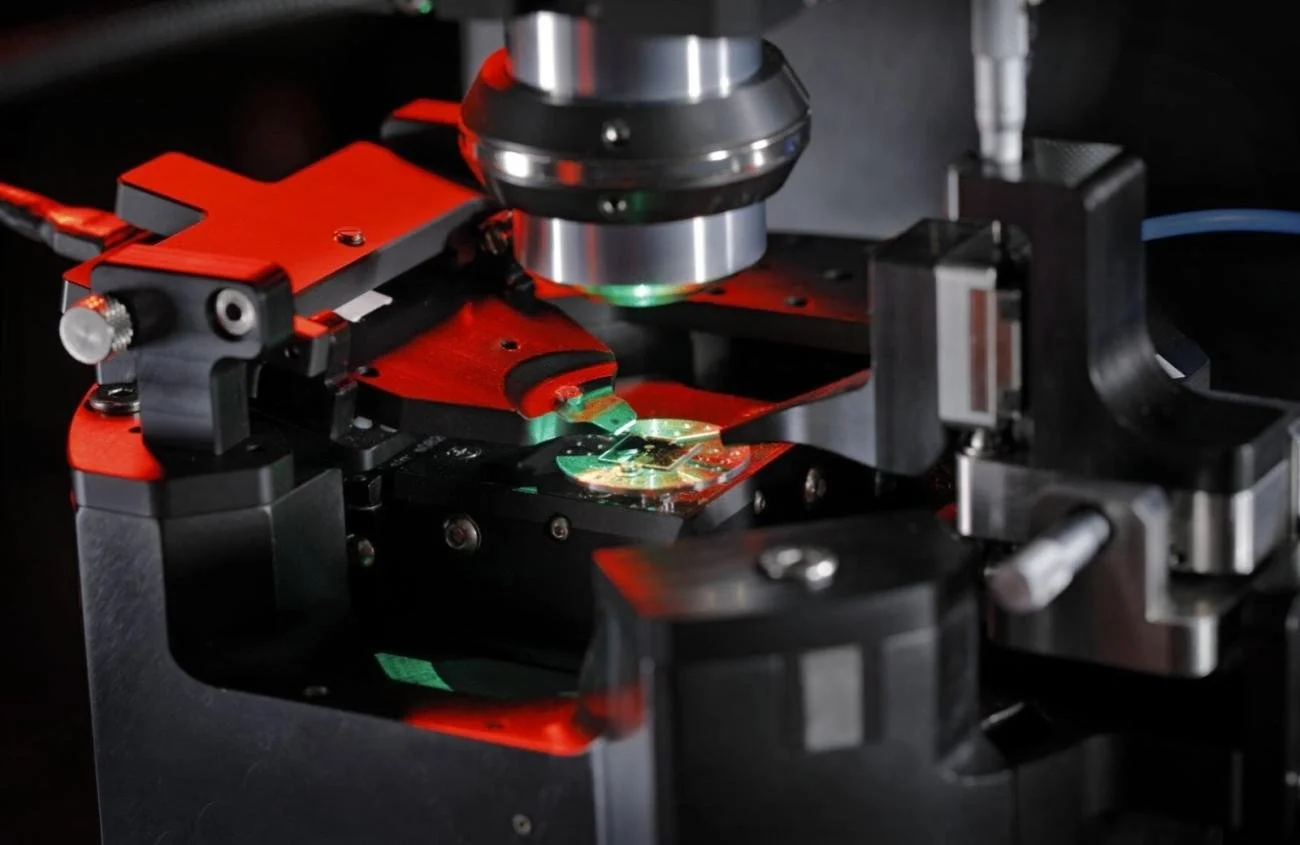
Fleet Space, Australia’s leading space exploration company, today announced a series of partnerships with innovators mDetect, Nomad Atomics, and DeteQt. These collaborations will expand the technology frontier of the global mining industry by developing the next generation of quantum sensors needed to fuel the growth of AI-powered mineral exploration. With these partnerships, Fleet Space will advance the acquisition and processing speed of geophysical datasets and build an innovation path for muon tomography to become a valuable input for enhancing the geological predictions of modern AI systems. As part of Fleet Space’s expansion of its vertically integrated ExoSphere platform, the company is advancing exploration technology development with frontier tech start ups and leading academic institutions like Stanford’s Mineral-X and MIT’s Space Exploration Initiative to enhance efficiency, speed, and precision across the mineral value chain on Earth and beyond.
As global mineral supply chains diversify, urgent demand for material inputs required for the renewable energy transition and advanced technology manufacturing have continued to skyrocket. To improve exploration agility and time to discovery, the global mining industry is reconfiguring their exploration toolkit with satellites, real-time multiphysics ground sensors, and AI to drive rapid, non-invasive, and data-driven exploration at scale. Using ExoSphere, Rio Tinto, Barrick, BHP and Gold Fields have accelerated exploration and unlocked geological insights at key projects worldwide. Maaden, as part of a multi-year contract, will deploy ExoSphere across 12,000 km^2 of the Arabian Shield, combining 3D subsurface imaging data up to 7 km in depth with Fleet Space’s AI-enabled drill targeting to develop Saudi Arabia’s $2.5 trillion mineral asset portfolio.
“For the global mining industry to achieve its potential as an industry leader in exploration data-intelligence, we must build the deep technologies and infrastructure that integrate breakthrough sensing modalities into a unified system,” said CEO & Co-Founder of Fleet Space, Flavia Tata Nardini. “With our ExoSphere platform, Fleet Space has created the next-generation of satellite-connected geophysical methods while also investing in the development of frontier technologies like quantum gravimetry and muon tomography to enhance the predictive power of AI in exploration on a planetary scale. Pursuing this mission is critical so humanity doesn’t have to accept trade-offs between technological innovation, clean energy, and venturing deeper into our solar system.”
Other News