Emergence Quantum: a commercial quantum R&D 'special ops' team
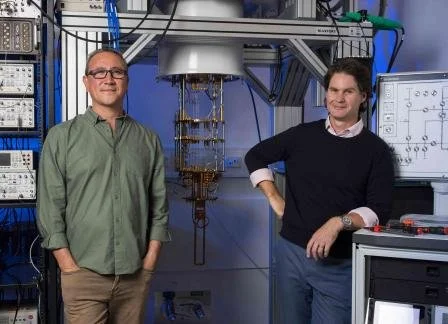
Led by Professor David Reilly and Dr Thomas Ohki, the 20-strong research firm is delivering quantum technology’s “missing link” as companies the world over race to realise the promise of the futuristic technology, which could revolutionise drug discovery, cybersecurity, materials science and artificial intelligence.
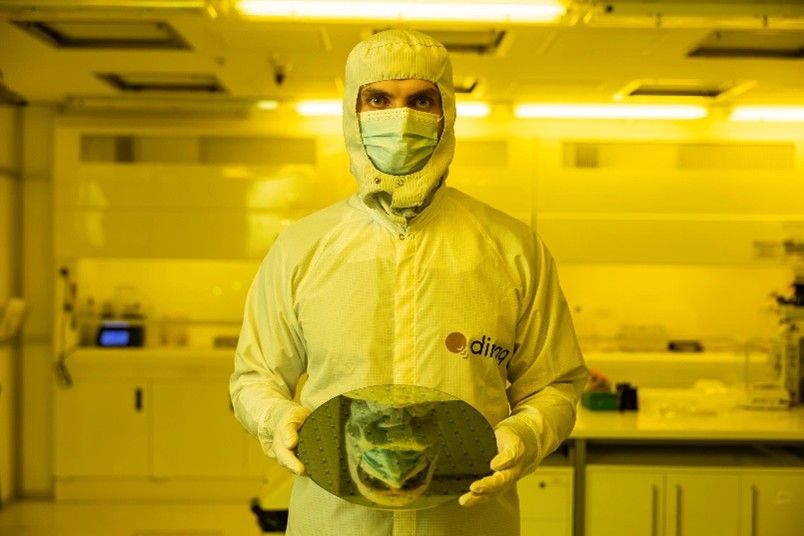
Emergence Quantum has immediately plugged into some of the most dynamic quantum technology companies globally, as well as DARPA’s new quantum benchmark initiative program in collaboration with local start-up Diraq.
As well as building systems across various quantum platforms, the company is developing new technologies for energy-efficient classical computing. A central area for the company will also be the intersection of quantum with AI and the datacentres of the future.
The company has so far resisted venture capital support in favour of first establishing itself with immediate customers and partnerships as well as ongoing support from the University of Sydney.
Professor Reilly said: “We are pioneers in the emerging sophisticated quantum technology ecosystem. It’s not an accident that we are setting up in Australia, which has been a world leader in quantum tech for more than two decades.”
He said that long-term support by the University of Sydney, not least starting with the $150 million investment to build the state-of-the-art quantum labs in the Sydney Nanoscience Hub, has made the launch of the company possible.
“Up to now most quantum R&D in Australia has been in the university sector. And while that has been a workable model to put Australia at the forefront of this global technology, our sector is facing an inflection point of commercial speed-up that needs a new type of company,” Professor Reilly said.
“Emergence Quantum will fill that gap – an R&D company that can leverage the deep science of the university sector but operate in the commercial world to deliver agile technological solutions for real-world companies.”
Dr Ohki said: “We are like a ‘special ops’ team called in to perform specific tasks. Our approach will allow our customers to target technology problems that are notoriously difficult. We aren’t a consultancy, but we don’t deliver ‘off-the-shelf’ solutions either. We will bring experience, agility and deep tech know-how at a time the sector needs it.
“Critically, we aren’t competitors of the quantum computing companies, we are their enablers. We are a team that has an unequalled track record of working well together and one that has decades of collective experience in quantum. That’s hard to replicate.”
The team was created after Microsoft Quantum decided to consolidate its research program in the US. The team, which Professor Reilly has led for nine years at the University of Sydney Nano Institute, decided to stay in Australia and saw an opportunity to launch a new company, building on the experience they developed at Microsoft.
Professor Reilly said the ongoing support from the University of Sydney is critical for the company’s success.
Other News