Sydney, Australia: ICONN2026

admin

ABOUT

Welcome to #ICONN2026

ICONN is Australia’s largest biennial conference in nano-science, connecting world-leading scientists, engineers, industry participants, and entrepreneurs. Since its inception in 2006, ICONN has been hosted in cities across the nation, fostering collaboration and innovation in nanoscale science and technology.

ICONN 2026 will feature multidisciplinary talks across key themes such as materials, fabrication, energy, environments, electronics, photonics, quantum, biology, nano-medicine, bioengineering, bioelectronics, nano-medicne, nanofluidics, computation, and industries, spanning fundamental research, transactional research to industry applications. The event will provide opportunities for academia-industry collaboration, international networking, and showcasing new technologies through workshops, panels, and exhibitions.

Join us at ICONN 2026 to connect with global leaders and explore the latest advancements in this dynamic field.

Other News

admin

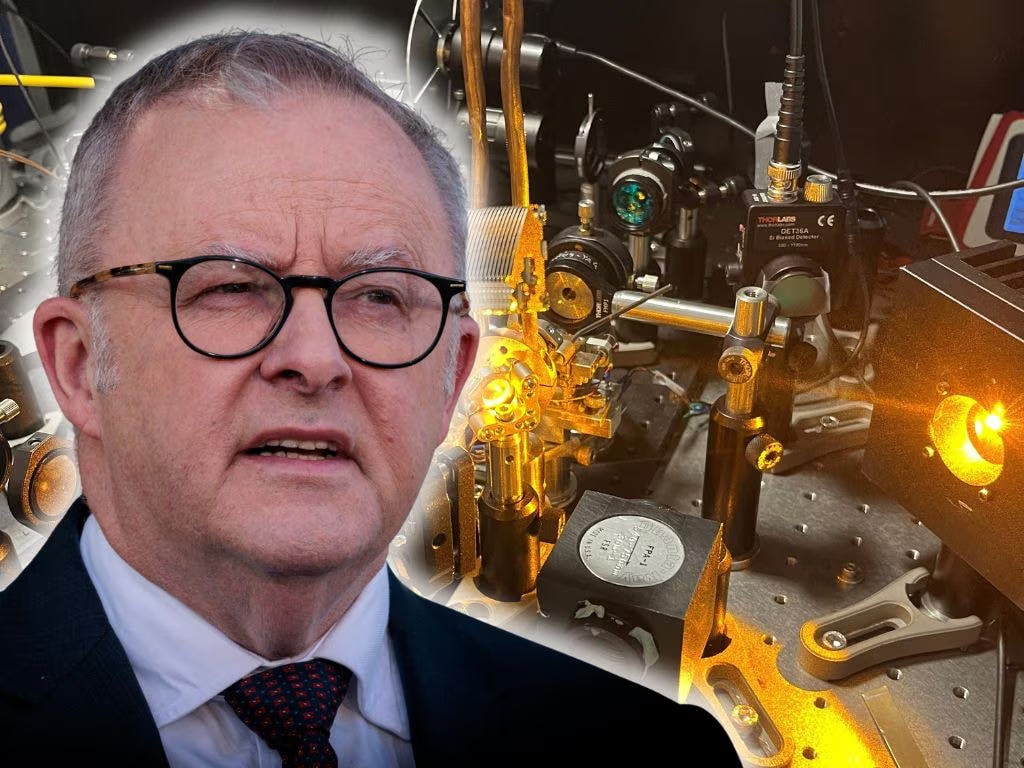
Herald Sun | $12m tech bet to save Aussie lives, power bills and farms

Professor Peter Turner, Director of Sydney Quantum Academy, was quoted in the Herald Sun’s coverage of the Australian Government’s $12

admin

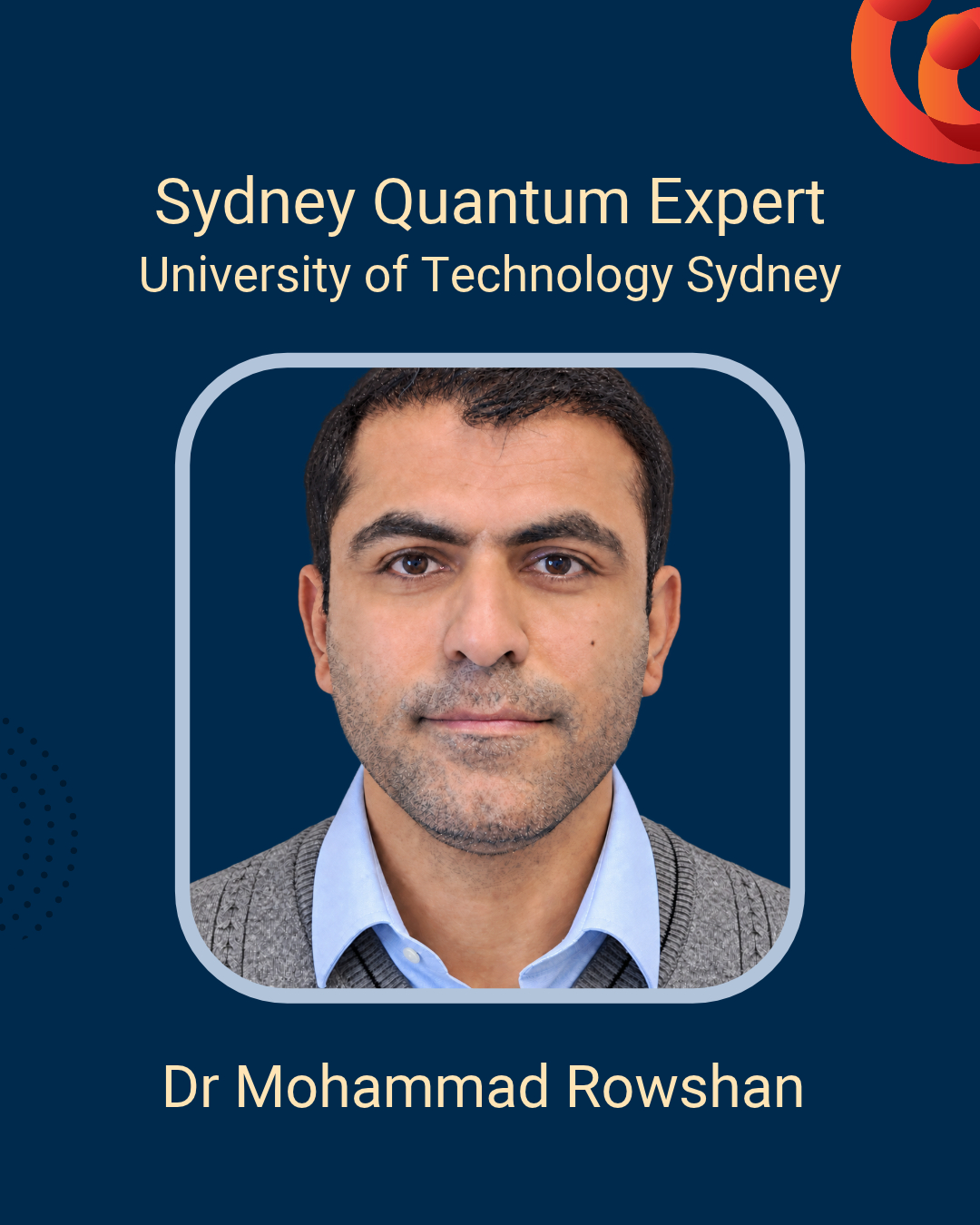
Dr Mohammad Rowshan joins the Sydney Quantum Academy Experts Network

Dr Mohammad Rowshan is exploring new approaches to quantum error correction, investigating how qLDPC codes could reduce the resources needed to protect quantum information and help make fault-tolerant quantum computing a reality

admin

Research Software Engineer | Quantum Motion

The role will maintain and develop in-house software stack for efficient data acquisition and analysis by hardware teams within the company

admin

Senior Lecturer | University of Wollongong

We are seeking an outstanding academic to advance the University of Wollongong’s leadership in the emerging field of Quantum Biotechnology

admin

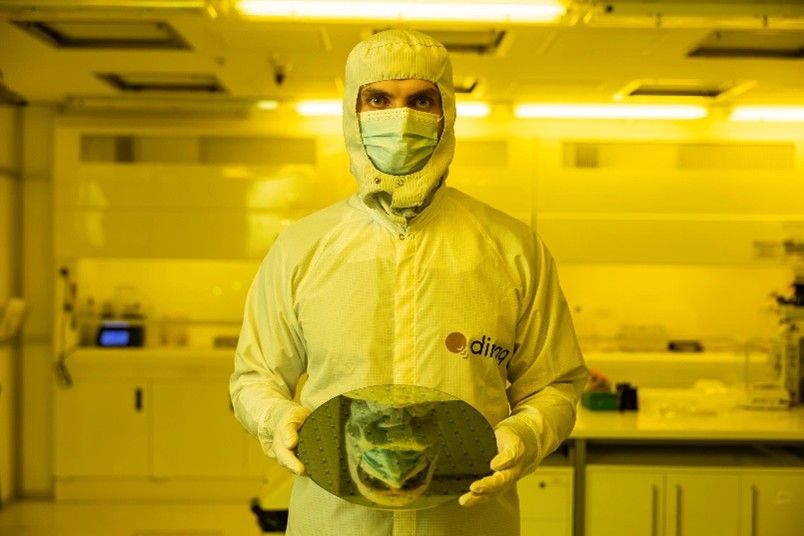
SQA alumnus Dr Paul Steinacker awarded 2026 UNSW Malcolm Chaikin Prize

Can silicon spin qubits maintain high performance using standard semiconductor processes? SQA alumnus Dr Paul Steinacker’s award-winning research set out to answer this