How Australia’s Policy, Research, and Industry are Building a Commercial Ecosystem
Australian quantum companies are moving from lab research to deployed products, delivering measurable gains across AI, sensing, navigation, and secure infrastructure, supported by strong university spinouts and government co-investment.
A diversified ecosystem of 40+ companies spans quantum processors, software, sensors, and timing systems, with several already working with global customers and defense partners.
Australia aligns its quantum strategy closely with the U.S. and U.K. through AUKUS, easing collaboration, export controls, and joint development across defense, space, and critical infrastructure.
Long-term public investment, coordinated national policy, and a dense research base underpin Australia’s push to scale quantum technology into globally competitive, export-ready industries.
On the outskirts of Sydney, in a lab etched with atomic precision, Australian engineers are building the quantum chips that underpin the industry and technology of tomorrow. Backed by government equity and born from one of the country’s top universities, these chips are driving value and advantage with companies like Telstra, reducing the typical time required for AI model training from weeks to days. This is the industrialisation of quantum technology, and it’s happening now, in Australia.
Australia’s commercial quantum sector is gaining global traction. More than 40 companies are now developing quantum technologies across a range of verticals from processors and software to sensors and simulation tools. Several firms have achieved international recognition for the maturity and specificity of their offerings:
Silicon Quantum Computing (SQC) is the world’s only company to fabricate its quantum chips at the atomic scale in silicon.
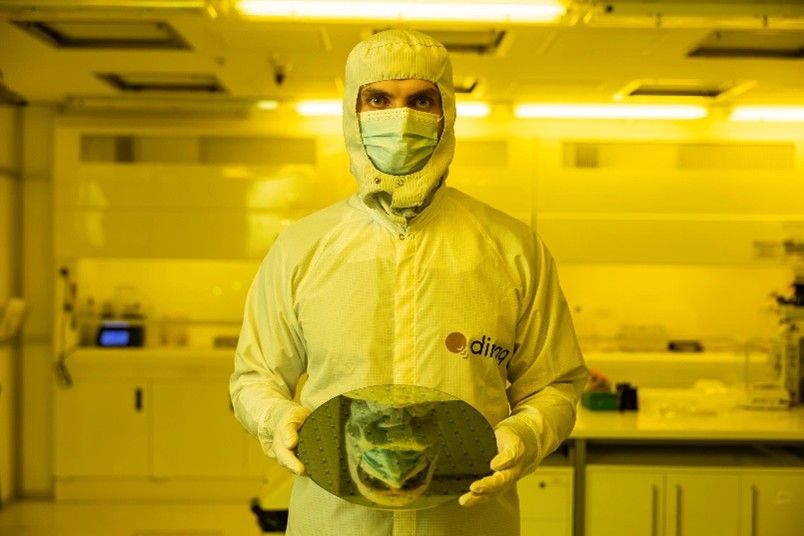
Diraq is building scalable, error-corrected quantum computers based on modified silicon transistors.
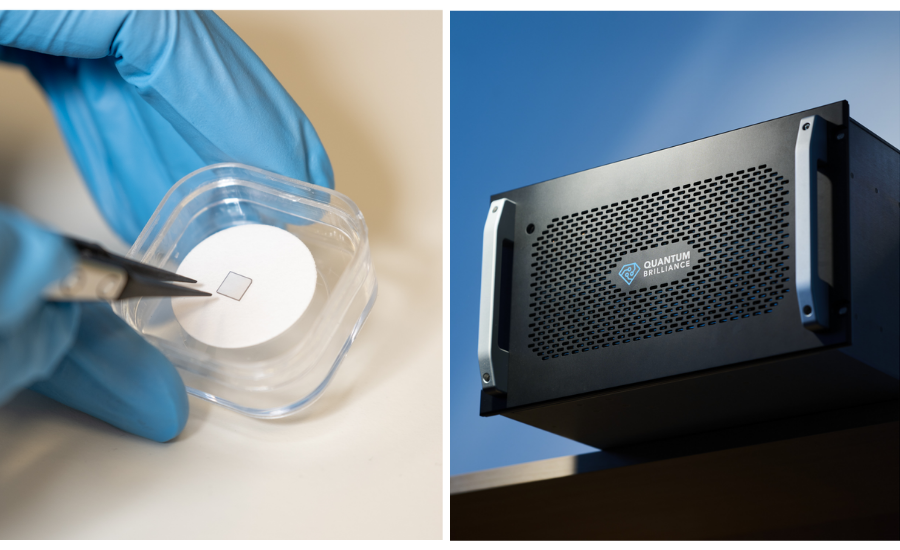
Quantum Brilliance is developing portable, room-temperature quantum chips using synthetic diamond that can power miniaturised sensors, QPUs in AI data centres, robots, and satellites, enabling these systems to be deployed everywhere.
Phasor Quantum is pioneering the development of synthetic diamond quantum sensing technology for magnetic navigation in GNSS-denied environments.
QuantX Labs is pioneering portable optical atomic clocks for resilient positioning, navigation, and timing in contested environments.
These companies operate within a collaborative national ecosystem supported by Australia’s national science agency (CSIRO), research institutions, and an active domestic customer base, and are increasingly embedded in global value chains, delivering export-ready quantum solutions across telecoms, infrastructure, finance, and defense.
To learn more, visit Quantum Insider
Other News