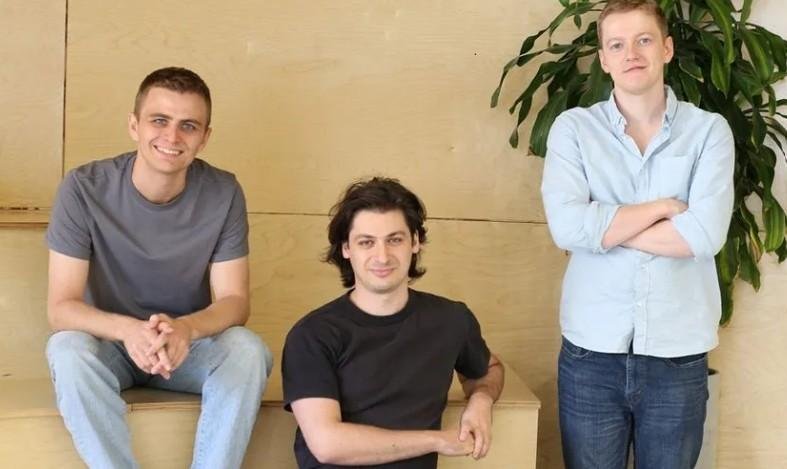
PRESS RELEASE — Iceberg Quantum, a quantum computing architecture startup founded by three University of Sydney PhD alumni, has today announced it has raised $2 million in a pre-seed round led by Blackbird, with participation from UK-based LocalGlobe, and entered its first major partnership with PsiQuantum to apply its fault-tolerant architectures to PsiQuantum’s photonic platform.
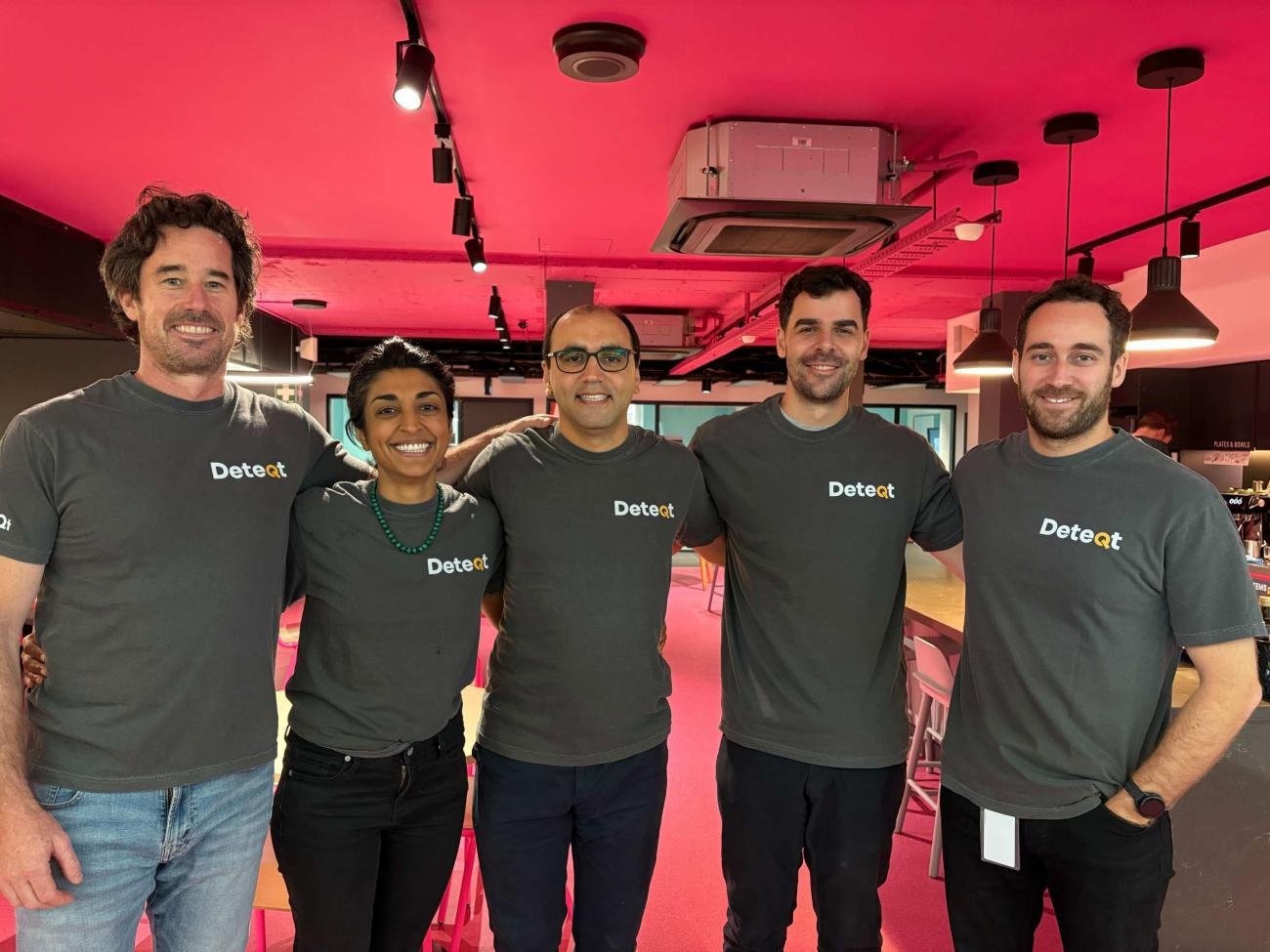
The Deteqt team (from left): CEO Jim Rabeau, COO Rupal Ismin, CSO Omid Kavehei, Quantum Physicist Adam Stewart and Hardware Engineer David Katzmarek.What do you get when you pair innovative quantum sensors with silicon transistors?
The NRFC has made a $15 million equity investment in QuintessenceLabs, which the company will use to establish a manufacturing site in Canberra and undertake further technological development. This new site will allow QuintessenceLabs to expand the manufacturing of its ‘qOptica’ product in Australia and mature the product by reducing form factors, streamlining component selection and improving manufacturing processes.
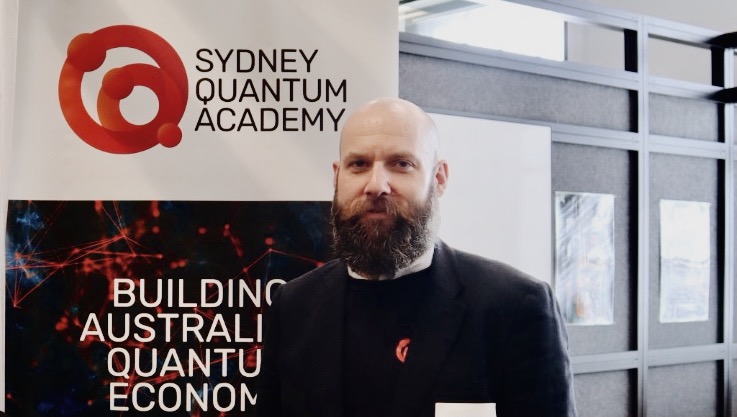
Professor Peter Turner, SQA CEO, explains why November was a big month for Australia’s quantum technology industry, and what needs to happen to realise the technology’s enormous potential

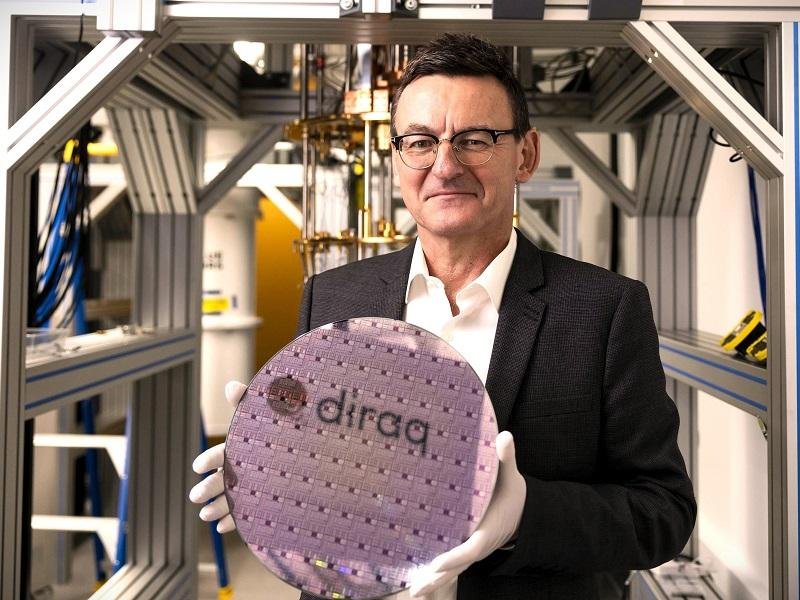
Image: Diraq founder and chief executive Andrew Dzurak.Two local quantum computing startups have secured contracts with US defence research agency DARPA for a coveted benchmarking program designed to find the companies capable of achieving utility-scale within the next decade.

An exciting new development will see investment from the NSW Government and Transport for NSW into the emerging field of quantum technology
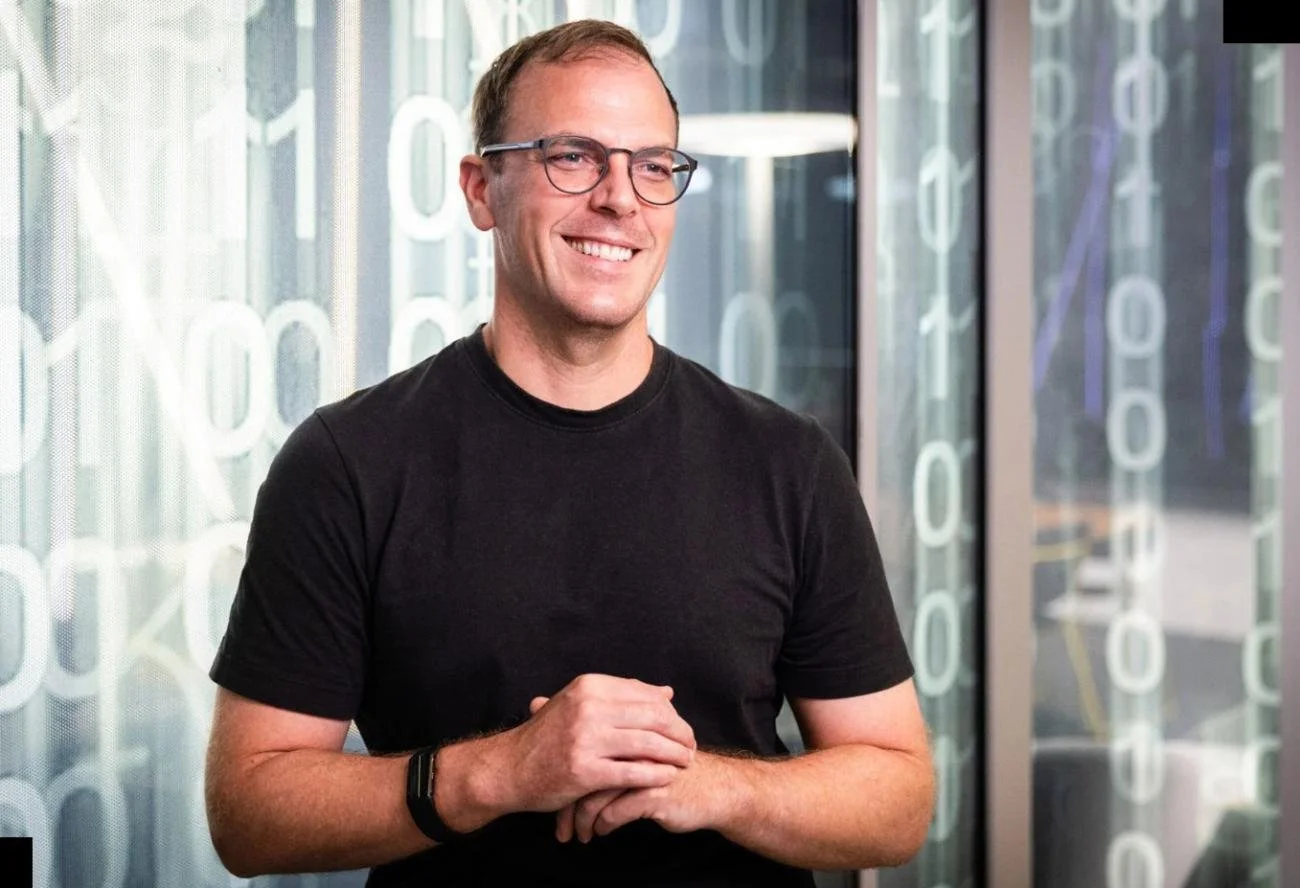
Photo credit: University of Technology Sydney (UTS) - Andy RobertsQuantum computing as a concept has been around since the early 1980s when physicists first proposed building a machine powered by quantum bits. The potential of this device would allow for calculations at levels so complex and detailed it’s hard for the human mind to fathom.
Are you ready to turn quantum innovation into real-world solutions?Join researchers, start-ups, developers, and industry leaders from across the globe in the Global Industry Challenge – a collaborative platform to tackle practical, industry-defined problems using quantum and AI technologies. To join a team in Australia, register for this online drop in session with the Quantum Australia partnerships team.
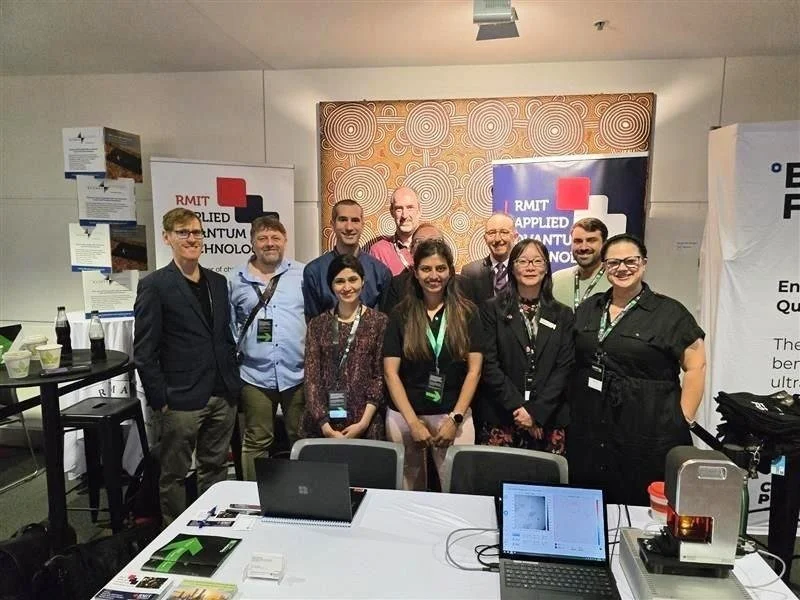
RAQT is led by Professor Jared Cole and will bring together key researchers in both the School of Science and Engineering to focus on quantum breakthroughs.