
An exciting new development will see investment from the NSW Government and Transport for NSW into the emerging field of quantum technology
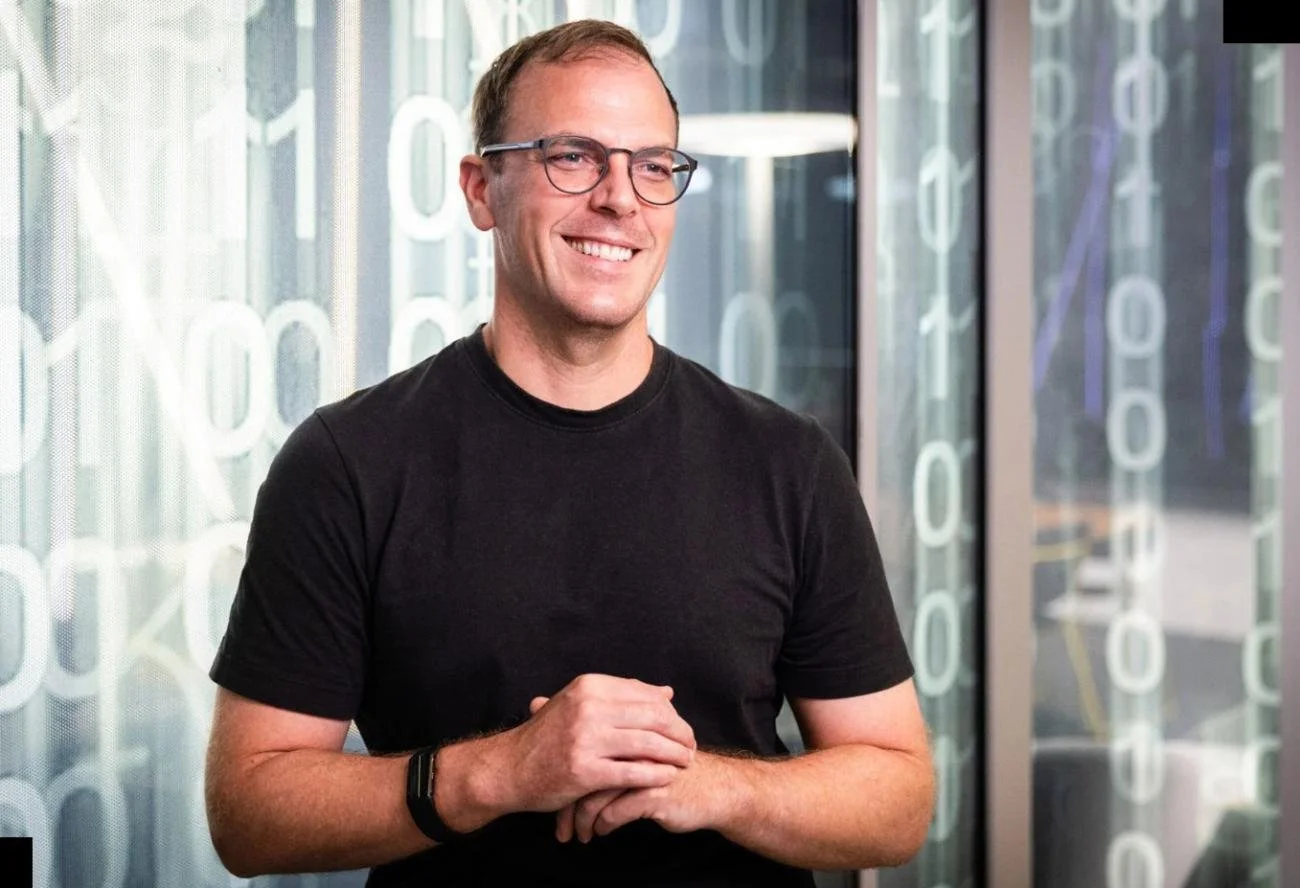
Photo credit: University of Technology Sydney (UTS) - Andy RobertsQuantum computing as a concept has been around since the early 1980s when physicists first proposed building a machine powered by quantum bits. The potential of this device would allow for calculations at levels so complex and detailed it’s hard for the human mind to fathom.
Are you ready to turn quantum innovation into real-world solutions?Join researchers, start-ups, developers, and industry leaders from across the globe in the Global Industry Challenge – a collaborative platform to tackle practical, industry-defined problems using quantum and AI technologies. To join a team in Australia, register for this online drop in session with the Quantum Australia partnerships team.
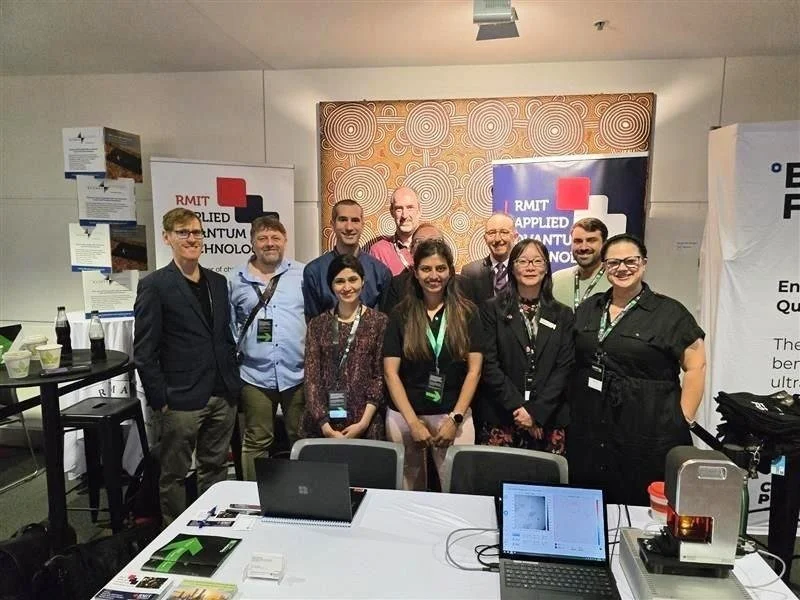
RAQT is led by Professor Jared Cole and will bring together key researchers in both the School of Science and Engineering to focus on quantum breakthroughs.
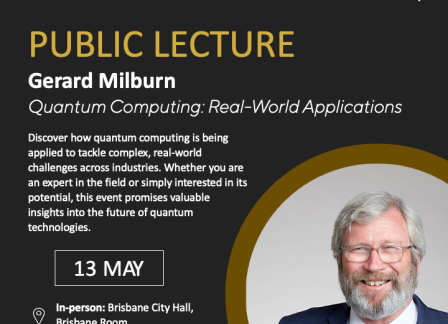
13th May 2025 | BrisbanePublic LectureProf Gerard MilburnQuantum Computing: Real-World Applications
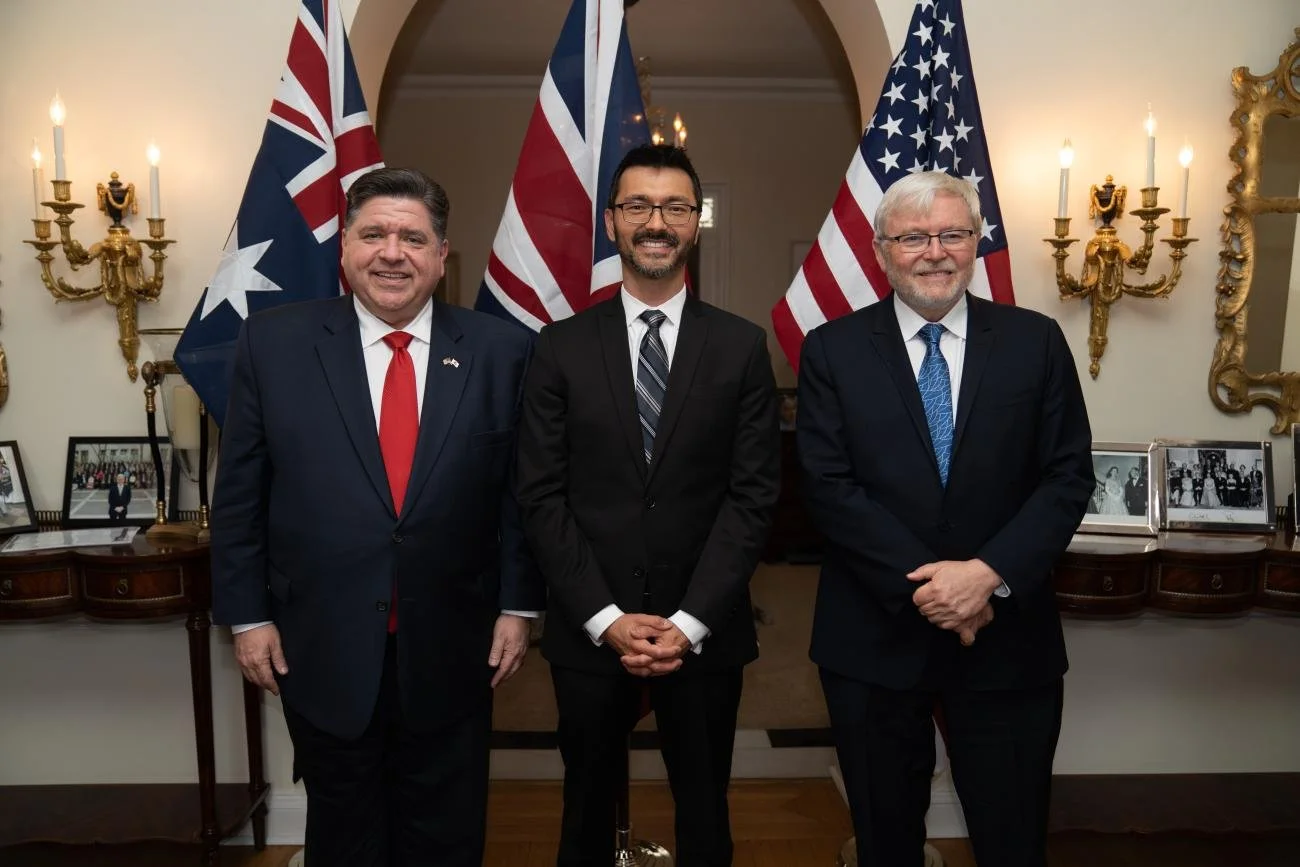
Image: lllinois Governor JB Pritzker, VP of Bus. Dev, Diraq - Boyar Naito, and Australian Ambassador to the U.S. Kevin RuddWASHINGTON, DC- Yesterday, Illinois Governor JB Pritzker, Australian Ambassador to the U.S. Kevin Rudd, and United Kingdom Ambassador the U.S. Peter Mandelson met with business and technology leaders to discuss boosting collaboration and advancing innovation in the fast-growing quantum industries. As part of the event, the three leaders participated in a quantum roundtable alongside leading international quantum companies, highlighting opportunities for joint research and design efforts, cross-border partnerships, and workforce development. Illinois also signed a letter of intent which will see Australian technology firm Diraq expand its US footprint to the Illinois Quantum and Microelectronics Park as a tenant. Diraq is working on technology that supports quantum computers in the exchange of information.
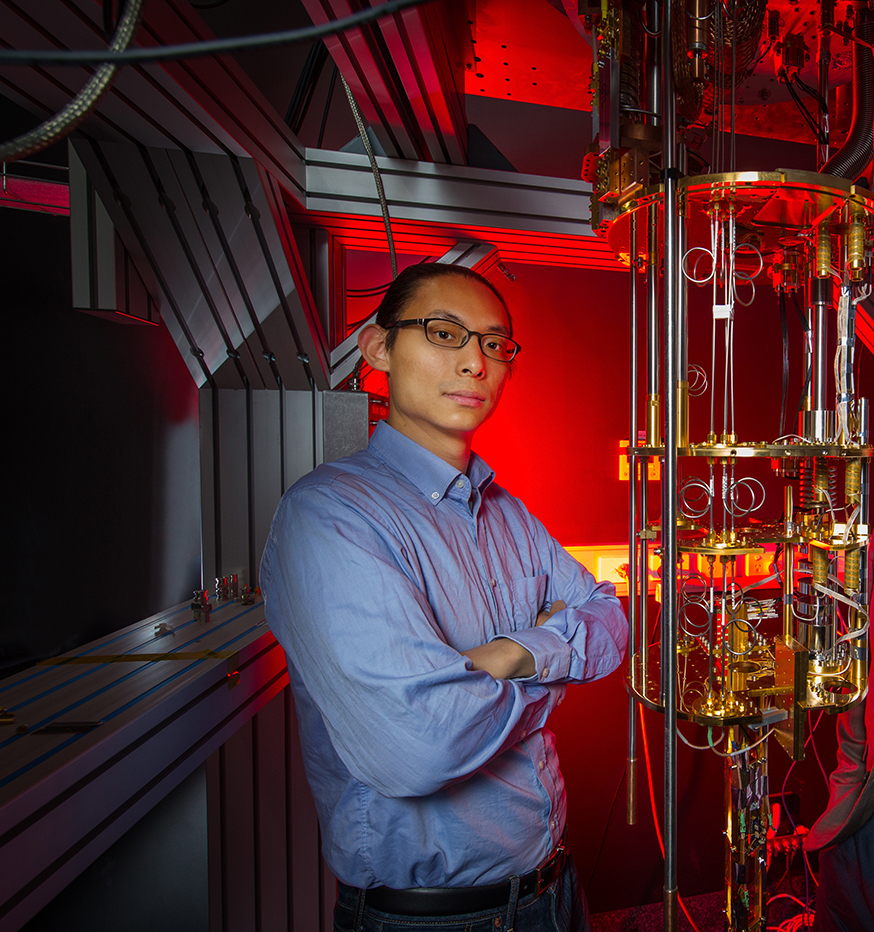
Sydney quantum expert Dr Henry Yang’s work on Silicon CMOS-compatible qubits earns global recognition
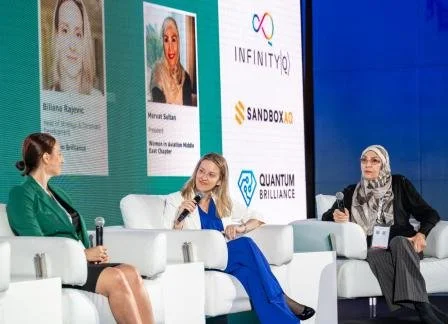
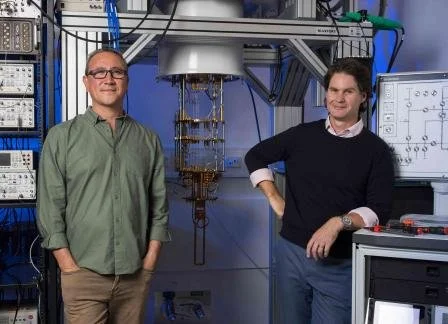
Led by Professor David Reilly and Dr Thomas Ohki, the 20-strong research firm is delivering quantum technology’s “missing link” as companies the world over race to realise the promise of the futuristic technology, which could revolutionise drug discovery, cybersecurity, materials science and artificial intelligence.
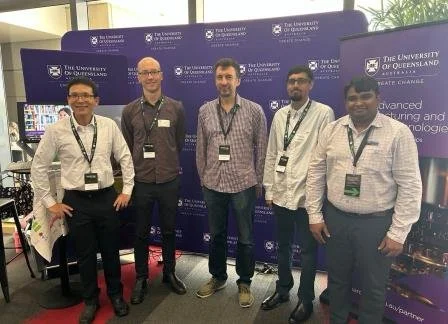
(L-R) Dr. Meng Li (Zurich Instruments), Prof. Chris Vale (CSIRO), A/Prof. Arkady Fedorov (The University of Queensland), A/Prof. Muhammad Usman (CSIRO), Mr. Raja Pillai (Rohde & Schwarz Australia)