
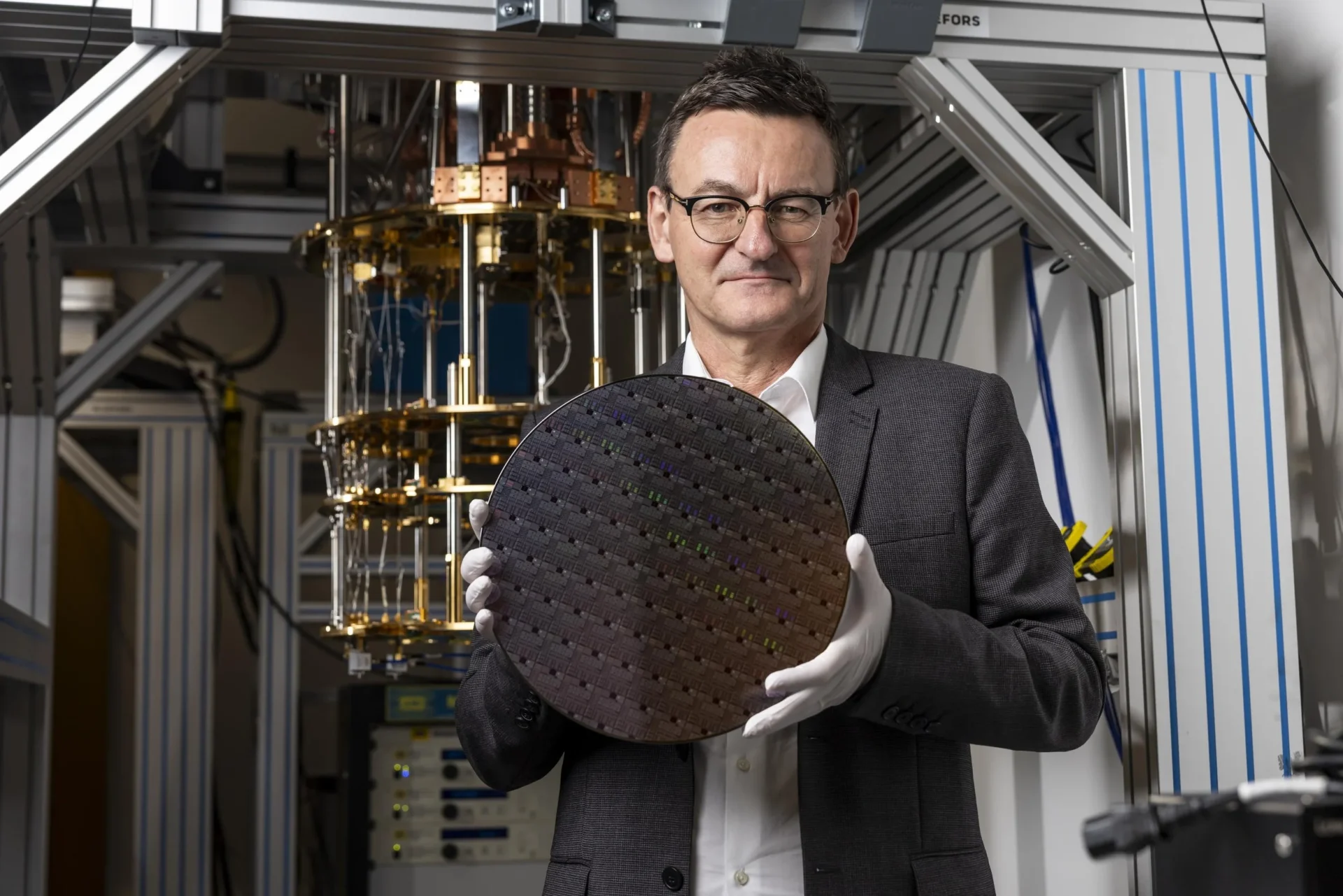
One of the key advantages of silicon spin qubits is their speed: Diraq’s utility-scale machines will be capable of performing a million fault-tolerant operations in less than a minute. But this means that Diraq needs a low-latency link — one that can connect the classical electronics required to control qubits, and the high-performance computers needed to correct errors, and to facilitate hybrid classical–quantum applications. NVIDIA has solved the problem by delivering NVIDIA NVQLink.

NSSN is inviting expressions of interest from suitably qualified individuals for the role of Board Chair
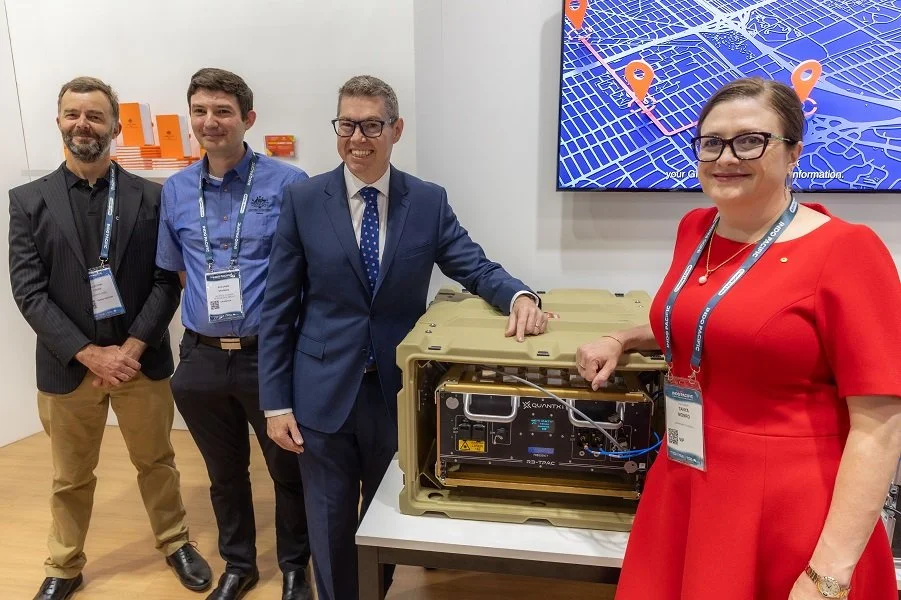
Four South Australian-developed world-leading quantum clocks have been successfully trialled in the United States, as part of Australia’s investment in AUKUS Pillar II, as another South Australian company signs a new strategic contract with a major UK defence contractor.
DARPA has selected eleven companies to enter the second stage (Stage B) of the agency’s Quantum Benchmarking Initiative (QBI), which aims to rigorously verify and validate whether any quantum computing approach can achieve utility-scale operation — meaning its computational value exceeds its cost — by the year 2033.
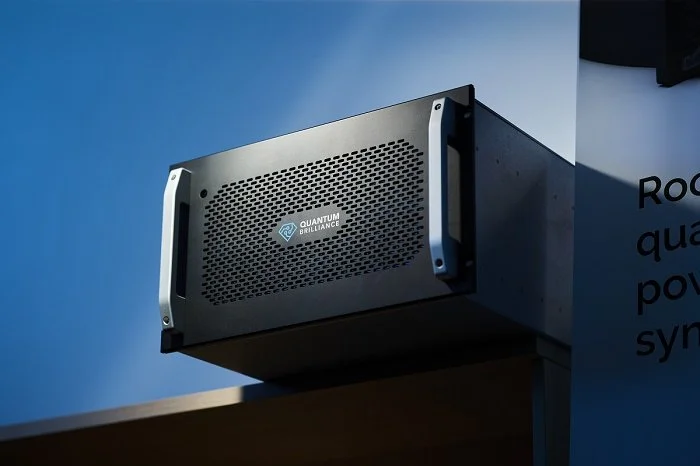
Melbourne, Australia, November 5, 2025 – Quantum Brilliance, a global leader in mass-deployable, room-temperature diamond quantum technology, announced the official opening of the Quantum Diamond Foundry, the world’s first commercial facility dedicated to producing quantum-grade diamond at scale.

The role will be expected to successfully drive educational excellence within the university’s teaching and learning communities
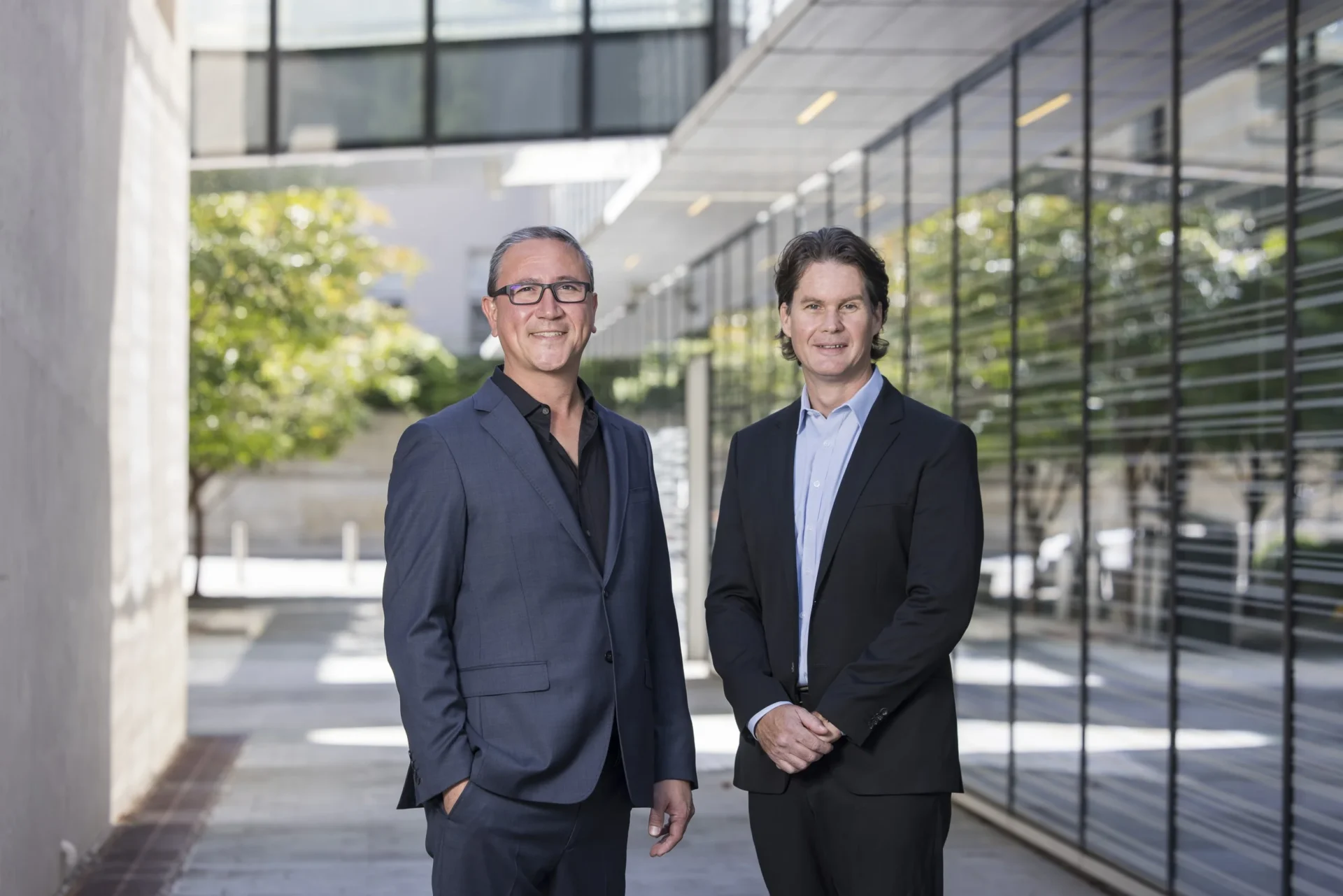
Quantum computing promises to transform everything from drug discovery and materials science to artificial intelligence and cybersecurity. But building a useful quantum computer requires more than just qubits - it demands scalable infrastructure, cryogenic electronics, and precision control systems operating at the limits of physics.
Quantum Error Correction (QEC) has rapidly become the centre of gravity for global quantum computing progress — and this year’s Quantum Error Correction Report 2025 from Riverlane captures just how dramatically the landscape has shifted. With real-time QEC now recognised worldwide as the essential pathway to utility-scale quantum computing, this report distils the technical breakthroughs, workforce insights, and strategic signals shaping the race toward fault-tolerant machines.

As the world turns its attention to Brisbane 2032, Queensland is showing how scientific excellence can be a competitive advantage, not just for athletes, but for a nation. From the playing field to the city streets, the state’s leading universities are bringing quantum technologies out of the lab and into a landmark opportunity to showcase Australia’s strength in science, innovation and sport.